
Is WTO the Next WWW?
- workertoownerinc
- Oct 26, 2025
- 3 min read
From Grateful Ed's Medium

When the World Wide Web (WWW) first arrived, it transformed how we connected, communicated, and created. It democratized access to information, giving individuals the power to publish, trade, and participate in a global economy once reserved for institutions and corporations.
Now, another quiet revolution may be emerging — one not in cyberspace, but in the workplace. It’s called Worker to Owner, Inc. (WTO, Inc.), and like the early internet, it promises to change the rules of participation, ownership, and power.
The WWW gave everyone access to knowledge. WTO gives everyone access to ownership.
The Problem: Who Owns the Surplus?
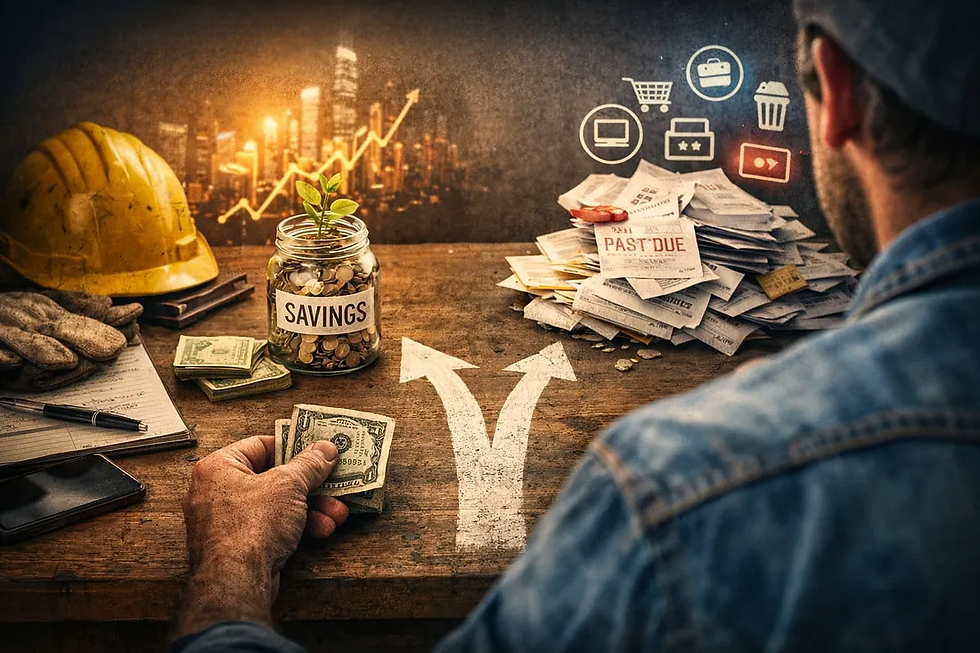
For decades, businesses have run on a simple, often unquestioned principle: those who own capital control the surplus. The surplus — the value created after all expenses, wages, and costs are covered — is where real wealth accumulates.
But here’s the catch: the people who create that value rarely control it. Workers generate productivity, efficiency, and innovation every day, yet the profits — the surplus — flow upward to absentee owners and distant shareholders.
Why do current owners get to decide what happens to that surplus? Because they hold the keys to the office — the decision-making power, the ownership stakes, and the control over where profits go.

And that’s where Worker to Owner steps in. WTO’s mission is simple: buy back the keys.
The Worker to Owner Way
The Worker to Owner model tackles the ownership imbalance head-on with a structured, replicable solution:
We pool our limited surpluses.
Individual workers or small business groups come together to aggregate resources, creating a fund strong enough to make ownership transitions possible.
We buy the surplus from the owners.
WTO facilitates the acquisition of small, commodity-based businesses from current owners who are ready to sell or retire — often the kinds of businesses that keep communities running but struggle to stay locally owned.
We train and develop the workforce to be owners.
Education and management training turn employees into confident co-owners — equipped with both the mindset and the skill set to lead their enterprises sustainably.
The workers buy their surplus.
Through structured financing and reinvestment, workers gradually buy into the very companies they sustain, gaining equity, decision-making authority, and long-term stability.
This isn’t charity or theory — it’s economic design.

The Solution: Buying the Keys Back
In traditional systems, owners hold the “keys” — the legal, financial, and decision-making control over a company’s future. WTO helps workers take those keys back.
Through acquisitions, education, and funding, WTO transitions small, commodity-based businesses into worker-owned enterprises. Employees no longer just trade time for wages — they buy into equity, participate in leadership, and share directly in the surplus they generate.
Each transition builds stronger companies, healthier communities, and a more resilient economy. Surplus doesn’t leak out to distant investors — it circulates locally, reinvested in wages, training, and future growth.

The Bigger Picture: From Web to Work
The World Wide Web changed who could publish. Worker to Owner changes who can prosper.
Just as the internet unlocked new economic frontiers by decentralizing access to information, WTO decentralizes economic ownership. It transforms workers from participants into stakeholders — not just users of a system, but architects of it.
Imagine what happens when thousands of small businesses — the backbone of local economies — shift from absentee ownership to worker ownership. When labor and capital no longer compete, but collaborate. When profit isn’t extracted, but reinvested.
That’s not just reform. That’s revolution — the next big structural shift in how wealth and power circulate.

The Future: From Surplus to Sustainability
WTO’s model isn’t about overthrowing the current system. It’s about rebalancing it — ensuring that those who build value also have a say in how it’s used.
Surplus isn’t extra. It’s the lifeblood of economic stability — and when it’s shared wisely, it fuels lasting growth. The Worker to Owner approach ensures that surplus becomes a tool for empowerment, not exploitation.
The web connected the world. WTO reconnects people to the value they create.
It’s not just a new business model — it’s the next evolution of economic participation.
And just like the WWW, it starts with one radical idea: everyone deserves a share in the system they help build.


Comments